
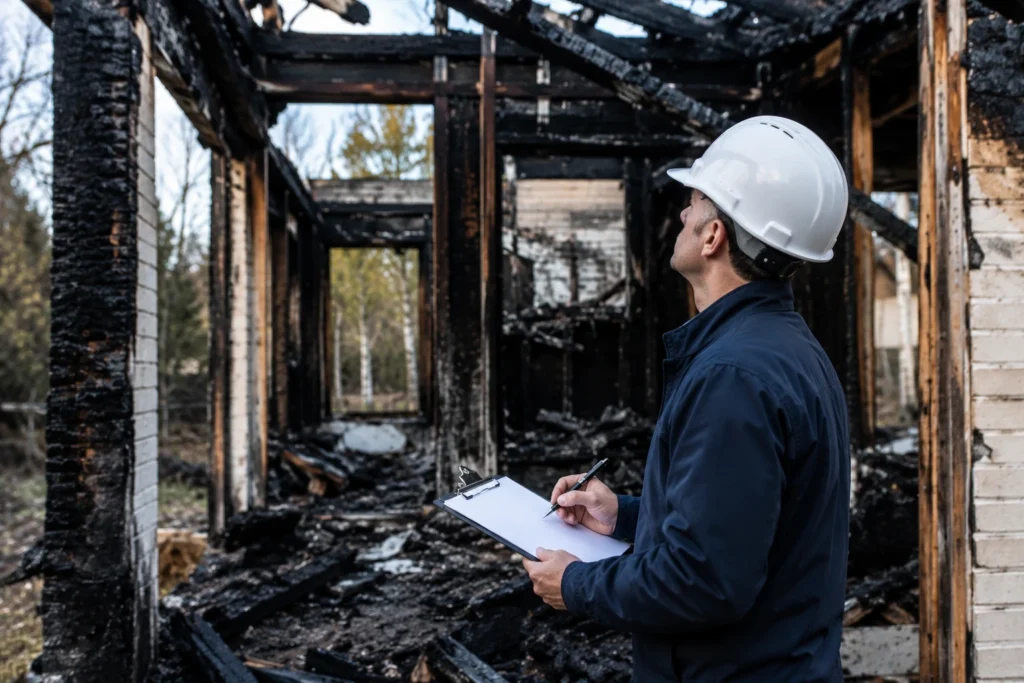
A fire can turn your life upside down in minutes. One moment you’re enjoying a normal day at home or running your business, and the next you’re dealing with smoke-filled rooms, damaged belongings, structural concerns, and a mountain of insurance paperwork. During this difficult period, a fire insurance adjuster often becomes one of the most important professionals involved in the recovery process.
Most property owners assume that filing a fire insurance claim is simple. Report the damage, wait for an inspection, receive a payment, and begin repairs. Unfortunately, real-world fire claims rarely work that smoothly. Fire losses frequently involve hidden damage, disputes over repair costs, complex policy language, and extensive documentation requirements. For homeowners and business owners in Corpus Christi, understanding the role of a fire insurance adjuster can help protect both your property and your financial future. The decisions made during the first few days after a fire can significantly affect the outcome of a claim. The more informed you are, the better positioned you’ll be to recover fully.
What Is a Fire Insurance Adjuster?
A fire insurance adjuster is a claims professional who evaluates fire-related losses and helps determine the value of covered damages under an insurance policy. However, there is one important detail many property owners overlook. Not every adjuster works for the same side.
Understanding the Different Types of Adjusters
There are three primary categories of adjusters involved in property insurance claims.
| Type of Adjuster | Represents | Main Objective |
| Insurance Company Adjuster | Insurance Carrier | Protect the insurer’s interests |
| Independent Adjuster | Insurance Carrier | Handle claims on behalf of insurers |
| Public Adjuster | Policyholder | Advocate for the property owner |
Insurance company adjusters and independent adjusters work for the carrier. Public adjusters work for the policyholder. That distinction matters more than many people realize. When a significant fire loss occurs, there may be disagreements about repair costs, hidden damages, personal property valuation, or policy interpretation. Having someone who focuses entirely on your interests can make a substantial difference throughout the claims process.
Why the Difference Matters
Fire claims are not simply about counting damaged items. They involve judgment calls.
For example:
- How much smoke contamination exists?
- Are structural components safe?
- Should materials be cleaned or replaced?
- What is the true cost of restoring the property?
Different professionals may arrive at different conclusions. A public adjuster works to ensure that all covered damages are properly documented and presented.
Why Fire Claims Are More Complex Than Most Property Claims
A fire affects far more than the areas touched by flames. That is where many property owners encounter problems. Visible damage often represents only a portion of the overall loss. Smoke can travel through walls, vents, attics, and crawl spaces. Water used during firefighting efforts can create additional damage throughout the structure. Heat can weaken building materials that appear intact at first glance.
In many cases, the effects spread through a property in ways that resemble a complex topology, where interconnected spaces allow smoke, heat, and contaminants to travel far beyond the point of origin. A kitchen fire may affect an entire house. A small electrical fire may contaminate HVAC systems throughout a building. What appears minor initially can become much larger after a thorough inspection.
Fire Damage Often Includes Multiple Categories of Loss
A single fire claim may involve:
- Structural damage
- Smoke damage
- Soot contamination
- Water damage
- Electrical damage
- HVAC contamination
- Personal property losses
- Temporary housing expenses
- Business interruption losses
Every category requires separate evaluation and documentation. Miss one, and the settlement could be lower than it should be.
What Happens After a Fire Insurance Claim Is Filed?
Understanding the claims process helps property owners make informed decisions.
While every claim is unique, most follow a similar sequence.
Step 1: Emergency Mitigation
The first priority is protecting people and preventing further damage.
Property owners should:
- Secure the property if possible
- Arrange emergency board-up services
- Prevent weather exposure
- Save emergency repair receipts
- Begin documenting damages
The sooner documentation begins, the better. Photographs taken immediately after a fire often become valuable evidence later.
Step 2: Initial Inspection
An adjuster will typically inspect the property shortly after the claim is reported.
During this inspection, they may evaluate:
- Fire damage
- Smoke contamination
- Water damage
- Structural concerns
- Roofing systems
- Personal property
This inspection forms the foundation of the claim evaluation. Thoroughness matters.
Step 3: Damage Documentation
This stage involves gathering evidence and creating detailed records.
Common documentation includes:
- Photos
- Videos
- Contractor estimates
- Engineering reports
- Receipts
- Personal property inventories
Strong documentation creates a stronger claim. Simple as that.
Step 4: Policy Review
Insurance policies contain detailed coverage provisions.
Questions often arise regarding:
- Replacement cost coverage
- Additional living expenses
- Smoke remediation
- Building code upgrades
- Temporary repairs
Understanding policy language is critical when evaluating claim benefits.
Step 5: Settlement Negotiation
Many people assume the first settlement offer is the final number. That isn’t always true. Negotiations may occur regarding repair costs, hidden damages, contents valuation, and supplemental expenses. A properly documented claim often leads to more productive discussions.
How a Fire Insurance Adjuster Evaluates Fire Damage
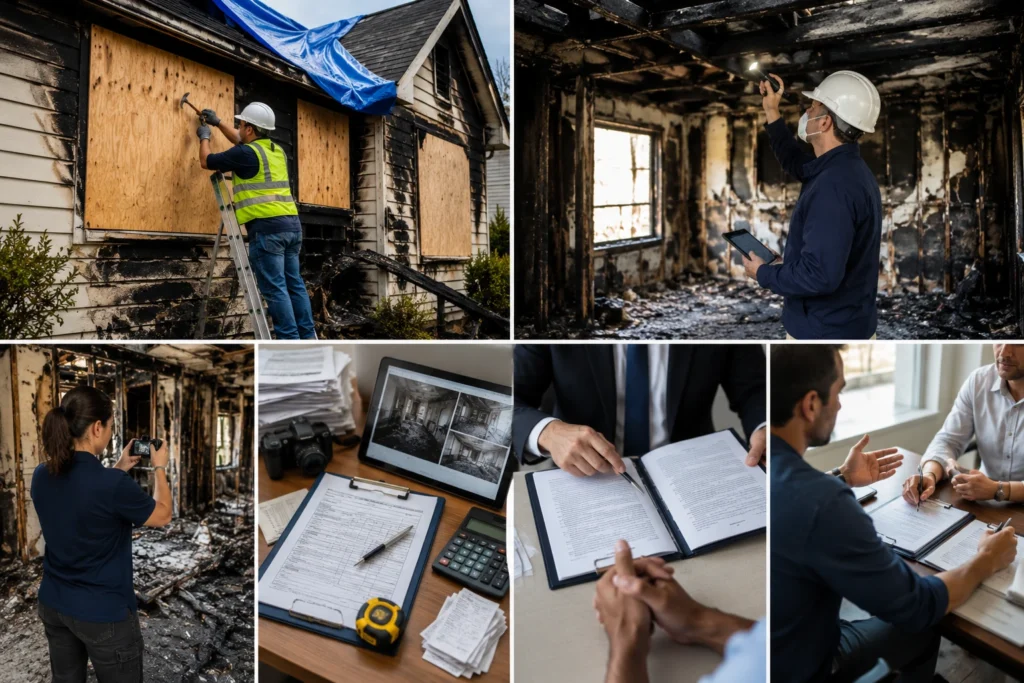
An experienced fire insurance adjuster does much more than inspect burned materials. Their role involves identifying every category of covered loss. That requires a comprehensive approach.
Structural Damage Assessment
Heat can weaken structural components long before they visibly fail.
A proper evaluation may include:
- Roof framing
- Floor systems
- Load-bearing walls
- Foundation areas
- Support beams
Even materials that appear undamaged may require closer examination. Structural safety should never be assumed.
Smoke Damage Evaluation
Smoke damage is one of the most overlooked aspects of a fire claim. Smoke particles can travel throughout a structure and settle in unexpected locations.
Commonly affected areas include:
- Insulation
- Drywall
- Cabinets
- Furniture
- Electronics
- HVAC systems
Without proper remediation, smoke contamination can continue causing problems long after repairs are completed.
Water Damage Assessment
Fire suppression efforts save lives and protect property. However, they often introduce secondary damage.
Water can affect:
- Flooring
- Ceilings
- Insulation
- Electrical systems
- Personal belongings
Mold growth may also become a concern if drying is delayed. This secondary damage should be included in the overall claim evaluation.
Personal Property Assessment
Many homeowners underestimate the value of their belongings. Until they start listing them. Furniture, electronics, appliances, clothing, tools, collectibles, and household items add up quickly. A detailed inventory often becomes one of the most important parts of a fire insurance claim. The more complete the inventory, the stronger the documentation.
Why Fire Claims Are Often Underpaid
Many property owners are surprised when repair estimates exceed the insurance company’s initial valuation. This happens more often than you might think.
Hidden Damage Is Frequently Missed
Not all fire damage is visible.
Examples include:
- Smoke infiltration behind walls
- Heat-damaged wiring
- Structural weakening
- Contaminated insulation
- HVAC system contamination
These issues may not become apparent until restoration work begins.
Repair Estimates Can Be Incomplete
Construction costs fluctuate constantly. Labor shortages, material price increases, permit requirements, and local market conditions all affect rebuilding expenses. An estimate that misses key repairs may produce an inadequate settlement.
Depreciation Disputes
Insurance companies often apply depreciation to certain items. Disagreements frequently occur regarding:
- Furniture
- Electronics
- Appliances
- Building materials
Valuation methods can significantly affect claim outcomes.
Policy Interpretation Challenges
Insurance policies contain detailed language that can be difficult to interpret.
Disputes may involve:
- Additional living expenses
- Replacement cost provisions
- Smoke remediation
- Code upgrades
- Temporary housing
Even experienced property owners sometimes struggle to understand all available benefits.
Benefits of Hiring a Public Fire Insurance Adjuster
Recovering from a fire is stressful enough. Managing a complicated insurance claim at the same time can feel overwhelming. A public adjuster helps shoulder part of that burden.
Comprehensive Documentation
One of the most valuable services a public adjuster provides is detailed documentation.
This may include:
- Damage inventories
- Repair estimates
- Photographic evidence
- Contractor coordination
- Supporting reports
Thorough documentation often becomes the foundation of successful negotiations.
Professional Claim Management
Claims involve constant communication. Requests arrive regularly. Deadlines appear quickly.
A public adjuster can help manage:
- Insurance correspondence
- Inspection scheduling
- Documentation requests
- Supplemental claims
- Negotiation efforts
Many experienced adjusters also handle complex claim revisions and supplemental filings, including situations involving Hail Damage Claim Supplements, where previously overlooked damages or additional repair costs must be documented and submitted for further review. For many policyholders, this alone provides tremendous relief.
Maximizing Covered Benefits
Many property owners focus only on structural repairs. That’s understandable. But insurance policies often provide additional benefits that deserve attention.
Potential coverages may include:
- Additional living expenses
- Debris removal
- Personal property replacement
- Temporary repairs
- Code upgrade costs
A knowledgeable fire insurance adjuster helps ensure these benefits receive proper consideration.
Reducing Stress During Recovery
Perhaps the greatest benefit is peace of mind. When someone else is helping manage documentation, inspections, and negotiations, property owners can focus on rebuilding their lives, supporting their families, and restoring normal operations. That matters. Especially after a devastating loss.
Fire Insurance Claims in Corpus Christi
Property owners in Corpus Christi face unique factors that can influence fire claims. Local construction costs, contractor availability, weather conditions, and regional rebuilding demand can all affect repair estimates. Coastal humidity may complicate smoke remediation efforts. Material shortages can delay repairs. Labor availability can influence rebuilding costs. These realities make thorough claim preparation especially important for homeowners and businesses throughout Corpus Christi. Every property is different. Every fire is different. And every claim deserves a detailed evaluation.
Common Mistakes to Avoid After a Fire
The days following a fire are often chaotic. You’re trying to secure the property, communicate with family members, find temporary housing, and begin planning repairs. In the middle of all that activity, mistakes can happen. Unfortunately, some mistakes can affect the value of an insurance claim.
Throwing Away Damaged Property Too Soon
Many people immediately begin cleaning up. That instinct is understandable. However, damaged items often serve as evidence of loss. Throwing away furniture, electronics, appliances, or personal belongings before they have been documented can make it harder to support portions of a claim.
Before disposing of anything:
- Photograph every damaged item
- Create a written inventory
- Save receipts for emergency purchases
- Confirm documentation requirements
When in doubt, document first.
Accepting the First Settlement Offer
Many property owners assume the insurance company’s first offer represents the final value of the claim. That isn’t always the case. Initial evaluations may not include hidden damage, supplemental repairs, smoke contamination, or updated contractor pricing. Review every offer carefully before accepting it.
Failing to Keep Records
Fire claims generate a surprising amount of paperwork.
Property owners should keep records of:
- Emails
- Letters
- Inspection reports
- Contractor estimates
- Temporary housing receipts
- Repair invoices
- Claim-related expenses
The strongest claims are usually supported by organized documentation.
Missing Important Deadlines
Insurance policies often contain deadlines for reporting losses, submitting information, and responding to requests. Missing a deadline can create unnecessary complications. Create a claim file and keep a timeline of important dates. Organization pays off.
Beginning Major Repairs Before Documentation Is Complete
Emergency mitigation is usually necessary. Major reconstruction is different. Removing damaged materials before inspections occur can make it difficult to prove the extent of the loss. Document everything thoroughly before substantial repairs begin.
How to Choose the Right Fire Insurance Adjuster
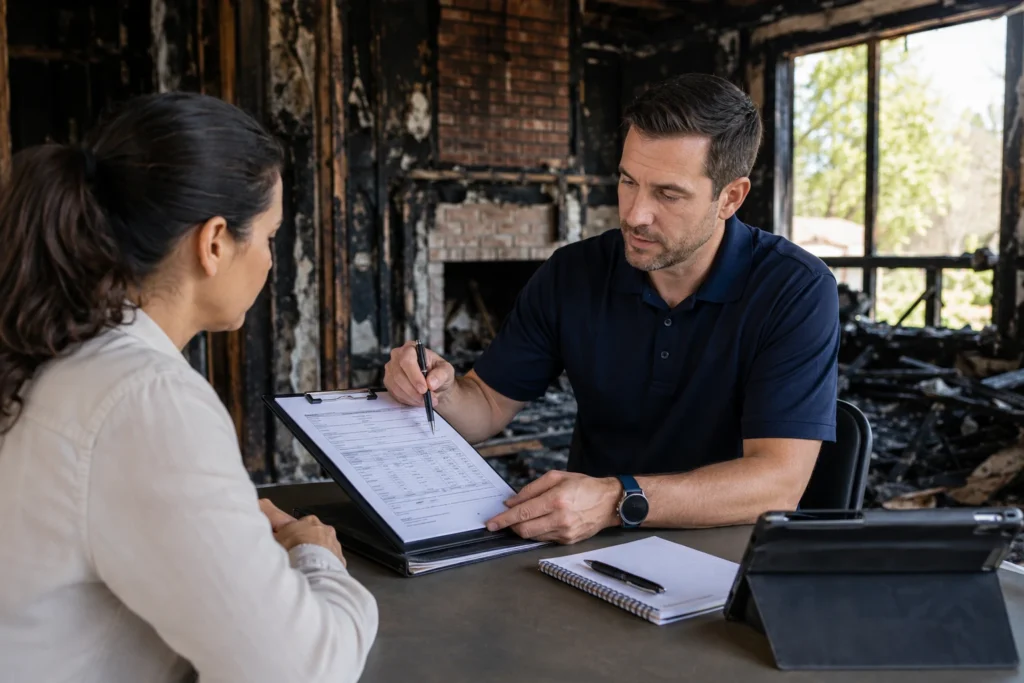
Not every adjuster has extensive fire claim experience. Choosing the right professional can significantly impact your experience throughout the claims process.
Verify Licensing and Credentials
Always confirm that an adjuster is properly licensed.
A qualified professional should be willing to discuss:
- Licensing status
- Experience
- Areas of specialization
- Fee structure
- Claims process
Transparency is a positive sign.
Ask About Fire Claim Experience
Fire losses present unique challenges.
Ask questions such as:
- How many fire claims have you handled?
- Do you have experience with smoke damage claims?
- Have you worked on commercial fire losses?
- What documentation process do you follow?
The answers can reveal a great deal about an adjuster’s expertise.
Understand Their Documentation Process
A professional fire insurance adjuster should have a structured approach to claim preparation.
That process may include:
| Service | Purpose |
| Property Inspection | Identify all damages |
| Contents Inventory | Document personal property losses |
| Estimate Preparation | Establish repair costs |
| Coverage Review | Identify available benefits |
| Negotiation Support | Help pursue fair compensation |
Detailed preparation often leads to stronger claim presentations.
Look for Local Knowledge
Local market conditions matter.
An adjuster familiar with Corpus Christi may better understand:
- Construction pricing
- Labor availability
- Regional building practices
- Permit requirements
- Restoration challenges
That knowledge can be valuable when preparing estimates and evaluating losses.
When Should You Contact a Fire Insurance Adjuster?
One of the most common questions property owners ask is when to seek professional assistance. The answer depends on the situation, but sooner is often better.
Immediately After the Fire
Many policyholders choose to involve a public adjuster shortly after the loss occurs.
Early involvement can help with:
- Damage documentation
- Inventory preparation
- Policy review
- Claim organization
A strong start often creates a smoother process.
After Receiving a Low Settlement Offer
Sometimes a property owner begins the claim independently and later discovers that repair costs exceed the proposed settlement. That situation is not uncommon. A professional review may identify additional damages, missing line items, or supplemental expenses.
When the Claim Is Delayed
Some claims progress quickly. Others do not.
Delays can result from:
- Documentation issues
- Coverage questions
- Inspection disputes
- Incomplete estimates
A fire insurance adjuster may help resolve obstacles and move the process forward.
When Coverage Disputes Arise
Coverage disagreements can involve:
- Smoke damage
- Water damage
- Additional living expenses
- Code upgrades
- Personal property valuation
Professional representation can help clarify policy provisions and support negotiations.
Real Fire Claim Challenges Adjusters Help Resolve
Every claim is unique, but several issues appear repeatedly after fire losses.
Residential Smoke Damage Claims
A small kitchen fire may appear limited to one room. The reality can be very different.
Smoke often travels throughout the structure, affecting:
- Bedrooms
- Closets
- Attics
- HVAC systems
- Furniture
- Electronics
Without a comprehensive inspection, significant portions of the damage may be overlooked.
Hidden Structural Damage
Some structural damage remains invisible during an initial walkthrough. Heat exposure may weaken framing components, roofing materials, and support systems even when they appear intact. Further evaluation frequently reveals additional repair needs.
Additional Living Expense Disputes
After a major fire, many families must temporarily relocate.
Costs may include:
- Hotels
- Rental homes
- Meals
- Storage units
- Transportation
Disputes sometimes arise regarding reimbursement eligibility and duration. Accurate records become extremely important.
Commercial Fire Losses
Business owners often face challenges beyond physical property damage.
Commercial claims may involve:
- Lost income
- Operational interruptions
- Equipment replacement
- Inventory losses
- Extra operating expenses
These claims often require extensive documentation and financial analysis.
What Property Owners Should Document After a Fire
Proper documentation supports every stage of a claim. The following checklist can help property owners stay organized.
Property Damage Documentation
- Photos of all affected areas
- Video walkthroughs
- Contractor estimates
- Structural reports
- Engineering evaluations
Personal Property Documentation
- Itemized inventories
- Purchase receipts
- Credit card statements
- Warranty information
- Product photographs
Additional Living Expense Documentation
- Hotel invoices
- Rental agreements
- Meal receipts
- Moving expenses
- Storage costs
Communication Records
- Claim numbers
- Adjuster contact information
- Inspection notes
- Email correspondence
- Written requests
Strong documentation often becomes one of the most valuable tools during claim negotiations.
The Long-Term Impact of a Fire Insurance Settlement
Many people focus on immediate repairs. That’s natural. However, the settlement received today may affect finances for years. An inadequate settlement can leave property owners paying significant out-of-pocket costs later. It may delay reconstruction. It may limit restoration quality. It may create financial stress long after the fire is extinguished. A properly prepared claim helps provide the resources necessary to rebuild correctly rather than simply rebuild quickly. That distinction matters.
Why Corpus Christi Property Owners Should Take Fire Claims Seriously
Fire losses can create significant financial challenges in any location. However, property owners in Corpus Christi face additional considerations that can influence claim values and reconstruction costs. Local labor shortages can increase pricing. Construction demand can fluctuate after major weather events. Material availability may affect rebuilding schedules. Coastal conditions can complicate restoration efforts, particularly when smoke damage and moisture-related issues occur simultaneously.
For these reasons, thorough inspections and accurate claim preparation remain essential throughout Corpus Christi. The goal is simple. Identify every covered loss. Document it properly. Support it with evidence. Then pursue a fair settlement.
Final Thoughts
A fire changes lives instantly. The recovery process, however, often unfolds over months. Sometimes longer. That is why understanding the role of a fire insurance adjuster is so important. From inspecting damages and reviewing policy provisions to preparing documentation and negotiating settlements, a qualified professional can play a major role in the outcome of a claim. Fire losses involve far more than burned materials. Smoke contamination, water intrusion, structural concerns, personal property losses, and additional living expenses all deserve careful evaluation. Missing even one category can affect the final settlement significantly.
Whether you own a home, rental property, or business in Corpus Christi, taking the time to understand your rights and properly document your losses can make a meaningful difference. A knowledgeable fire insurance adjuster helps ensure that covered damages are identified, presented accurately, and evaluated fairly throughout the claims process. When everything feels uncertain, having experienced guidance can provide clarity. And after a fire, clarity is often exactly what property owners need most.
FAQs
A fire insurance adjuster evaluates fire-related damages, reviews claim documentation, and helps determine the value of covered losses under an insurance policy.
It depends on the type of adjuster. Insurance company adjusters work for the insurer, while public adjusters represent the policyholder.
Many property owners contact a fire insurance adjuster immediately after a fire, especially when significant property damage or coverage questions exist.
Yes. A fire insurance adjuster can evaluate smoke contamination, identify affected areas, and help document related damages for the claim.
Keep photographs, videos, repair estimates, receipts, inventories, inspection reports, and all communication related to the claim.
Yes. If you believe damages were overlooked or undervalued, you may provide additional documentation and request a review of the claim.
The timeline varies based on the size and complexity of the loss. Some claims resolve in weeks, while larger claims may take several months.
Coverage may include structural damage, smoke damage, water damage from firefighting efforts, personal property losses, and additional living expenses, depending on the policy.
Claims may be underpaid when hidden damage, smoke contamination, repair costs, or personal property losses are not fully documented or evaluated.
Local experience helps account for regional construction costs, contractor availability, permit requirements, and restoration challenges that can affect claim values.