

A denial letter lands in your inbox, and everything pauses. You read it once. Then again. Still no. If you’re searching for What to Do If Your Hail Claim Was Denied in Texas, here’s the reality you still have options, and more importantly, you still have leverage.
Insurance companies rely on one thing: most homeowners won’t push back. But many denied claims are incomplete, rushed, or based on limited inspections. That’s your opening. If you’re dealing with storm damage in Corpus Christi, understanding how to respond the right way can turn a denied claim into a paid one. This guide walks you through the full process. Step by step. No fluff. Just real strategy that works.
Why Hail Claims Get Denied in Texas
Denials follow patterns. Once you see them, you can counter them effectively.
The Most Common Reasons
- “No storm-related damage found”
Often tied to quick or surface-level inspections that miss critical details. - Wear and tear vs. sudden damage
Insurance companies frequently classify damage as age-related instead of storm-related. - Late filing
Waiting too long after a storm can weaken or eliminate your claim. - Pre-existing damage
Older roof conditions get blamed for new damage. - Weak or missing documentation
If it’s not clearly documented, insurers won’t pay for it.
What This Means for You
A denial doesn’t always reflect the condition of your roof. It reflects the strength of your evidence. That’s a key distinction.
First Steps After a Denial
Act quickly, but stay strategic.
Step 1: Don’t Accept the Denial
A denial is not final. It’s simply the insurer’s initial position.
Step 2: Analyze the Denial Letter
Look for:
- The specific reason for denial
- Policy language cited
- Any mention of missing documentation
These clues tell you exactly how to respond.
Step 3: Review Your Policy
Focus on:
- Replacement Cost Value vs. Actual Cash Value
- Deductibles
- Storm-related exclusions
Your policy is your playbook. Know it well.
Re-Inspect Your Roof (Critical Step)
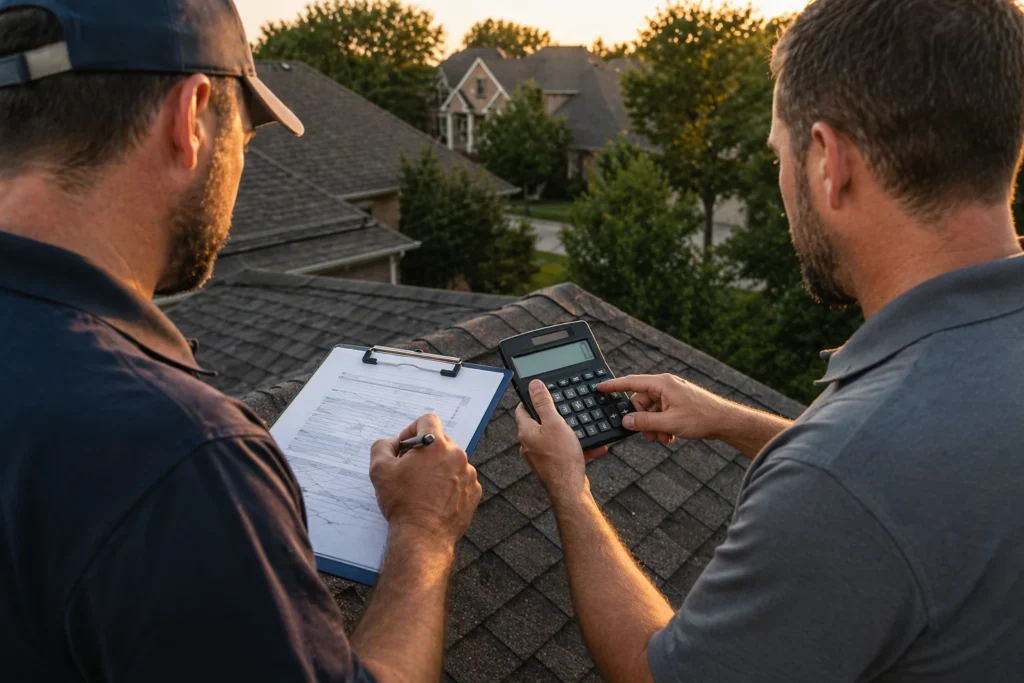
This step changes outcomes more than anything else.
Why It Matters
Initial inspections may:
- Miss subtle damage
- Be rushed
- Focus on limited areas
A second inspection brings deeper insight.
Who Should Inspect
- A qualified roofing contractor
- A licensed public adjuster
What They Should Look For
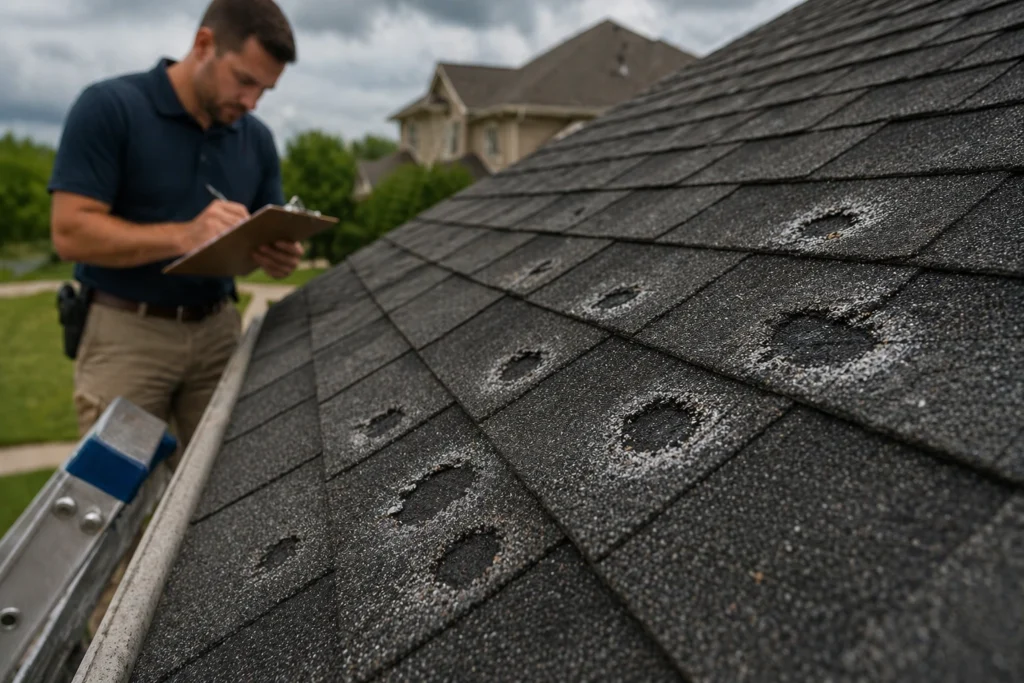
- Granule loss on shingles
- Impact marks on metal components
- Soft spots indicating structural issues
- Damage to flashing, vents, and gutters
If damage isn’t documented, it doesn’t exist in your claim.
How to Document Hail Damage the Right Way
Documentation is your strongest tool. If you want to follow a proven system, use a process like How to Document Hail Damage for an Insurance Claim, which focuses on capturing evidence clearly and thoroughly.
Photo Strategy
- Wide-angle roof shots
- Close-ups of each impact point
- Multiple angles for accuracy
Video Documentation
- Full roof walkthrough
- Verbal explanation of damage
Written Notes
- Date and time of inspection
- Description of damage
- Storm details
Use Scale
Place a coin or chalk circle near damage to show size clearly.
Organize Your Files
- Use clear file names
- Keep chronological order
- Store backups
Clean documentation builds a strong claim.
Reopening the Claim or Filing a Supplement
This is where denied claims come back to life.
Claim Reopening
A request to review your claim again with new evidence.
Supplement
An updated scope that increases the value of your claim.
When to Use Each
| Situation | Action |
| Missed damage found | Reopen |
| Underestimated costs | Supplement |
| Both apply | Combine both |
What You Submit
- Inspection report
- Photo and video evidence
- Detailed estimate
- Written request
Act quickly to maintain momentum.
Professional Estimates: Where Claims Expand
This is where the numbers change.
Why Estimates Differ
Insurance companies aim to control costs. Contractors aim to reflect real repair needs.
What a Proper Estimate Includes
- Materials and labor
- Tear-off and disposal
- Code-required upgrades
- Hidden damage allowances
Example Comparison
| Stage | Amount |
| Initial Estimate | $12,300 |
| Revised Estimate | $20,100 |
| Final Settlement | $19,200 |
That difference is the value of proper documentation.
Understanding Your Rights in Texas
You have protections under state regulations.
Your Rights
- The right to dispute a denial
- The right to submit additional evidence
- The right to timely claim handling
Important Deadlines
- Filing deadlines
- Response timelines
- Dispute windows
Stay organized. Deadlines matter.
When to Hire a Public Adjuster
Sometimes, handling the claim yourself isn’t enough.
What They Do
- Review your policy
- Document damage thoroughly
- Prepare accurate estimates
- Negotiate with the insurer
When to Call One
- Your claim was denied
- The damage is extensive
- The insurer is unresponsive
- You feel overwhelmed
If you’re in Corpus Christi, working with a local expert can speed up inspections and improve communication.
If the Insurance Company Still Pushes Back
You still have options.
Appraisal Process
A formal dispute method involving independent appraisers.
File a Complaint
You can escalate your case to the Texas Department of Insurance for review.
Legal Action
This is a last resort but can be effective when used properly.
Mistakes That Kill Your Claim
Avoid these common errors:
- Accepting the denial without question
- Waiting too long to act
- Submitting weak documentation
- Skipping a second inspection
- Handling complex claims alone
Each mistake reduces your payout potential.
Case Study: From Denied to Approved
Let’s break it down.
Initial Situation
- Claim denied
- Reason: “No storm-related damage”
- Payout: $0
What Changed
- Independent inspection completed
- Detailed documentation submitted
- Supplement filed
Final Outcome
- Claim approved
- Final payout: $18,700
Same property. Same storm. Better strategy.
Advanced Strategy to Strengthen Your Claim
Match Policy Language
Use the insurer’s own wording to support your argument.
Keep Documentation Consistent
Ensure all evidence aligns.
Communicate in Writing
Emails create records. Calls don’t.
Stay Persistent
Follow up regularly. Don’t let your claim stall.
Detailed Inspection Checklist
Use this during your inspection:
Roof Surface
- Inspect all slopes
- Identify impact marks
- Check for granule loss
Metal Components
- Examine vents
- Check flashing
- Inspect gutters
Structural Indicators
- Look for soft decking
- Check ceilings for leaks
Exterior Elements
- Inspect window screens
- Check siding
- Review outdoor equipment
This checklist ensures nothing is missed.
Negotiation Strategy That Works
Negotiation is about evidence, not emotion.
Key Principles
- Present clear documentation
- Stay professional
- Focus on facts
- Reference policy terms
What to Avoid
- Emotional arguments
- Incomplete submissions
- Verbal-only discussions
Strong negotiation is structured.
Timeline: What to Expect
| Step | Timeframe |
| Denial received | Day 0 |
| Re-inspection | 3–7 days |
| Documentation submission | 10–14 days |
| Insurer response | 2–4 weeks |
| Resolution | 30–60 days |
Stay proactive throughout the process.
Cost Breakdown: Where Money Gets Missed
Many claims overlook key components.
Commonly Missed Items
- Underlayment
- Flashing replacement
- Vent repairs
- Code upgrades
- Disposal fees
These costs add up quickly.
The Psychology Behind Insurance Claims
Insurance claims can feel unpredictable, but there’s often a hidden structure behind outcomes. In complex systems, this uncertainty is sometimes compared to Entropy (information theory), where disorder increases when information is incomplete just like a poorly documented claim becomes harder to resolve.
Pro Tips to Maximize Your Settlement
- Take more photos than needed
- Document before repairs
- Keep original files
- Back everything up
- Request re-inspections quickly
Small details create big results.
Final Thoughts
If you’re dealing with What to Do If Your Hail Claim Was Denied in Texas, remember this: a denial is not the end. It’s the beginning of your strategy. Re-inspect. Document. Reopen. Negotiate.
That’s how claims get paid. And if you’re handling storm damage in Corpus Christi, acting quickly and strategically can make the difference between a denied claim and full recovery.
FAQs
Yes, you can request a reopening if you have new evidence such as updated inspections or better documentation.
Timelines vary by policy, but acting within weeks not months gives you the best chance of success.
Absolutely. A second inspection often uncovers missed damage and strengthens your case.
A supplement is an updated estimate that includes additional damage or costs not in the original claim.
In many cases, yes they improve documentation and negotiate more effectively with insurers.
Subtle impacts, soft spots, and damage on less visible roof slopes are commonly overlooked.
You can, but complex cases often benefit from professional help to avoid mistakes.
It can add pressure and oversight, especially if the insurer is unresponsive.
You can pursue appraisal or legal action as next steps to resolve the dispute.
Yes, especially when documentation is weak or inspections are incomplete.