
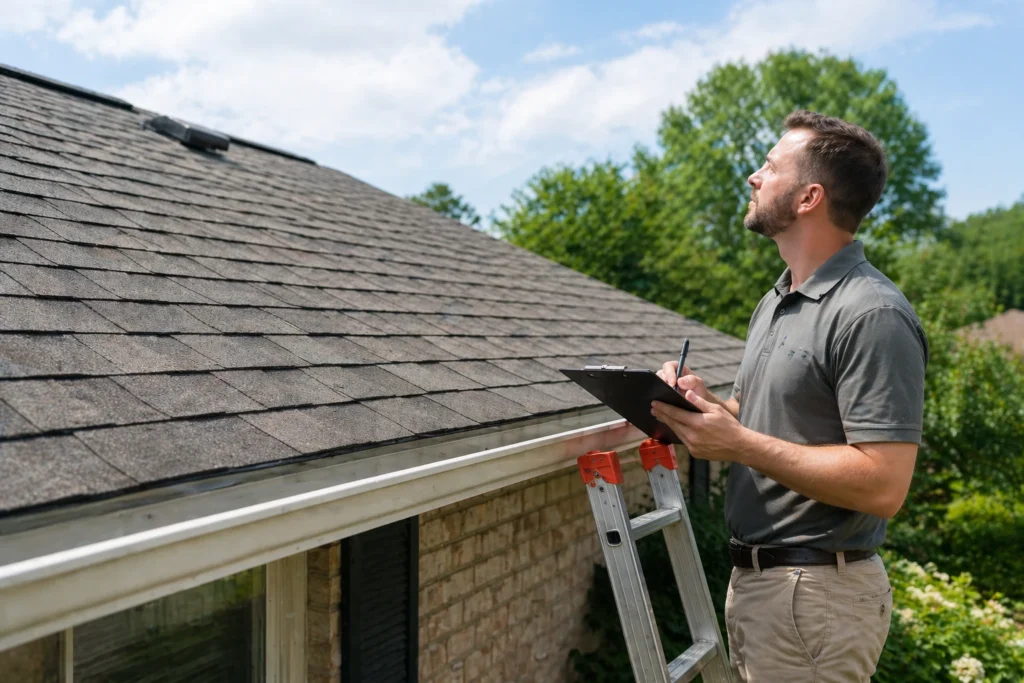
The Decision That Impacts Your Entire Claim A hailstorm hits. It’s loud. Sudden. Unforgiving. Then it’s over and you’re left staring at your roof, wondering what just happened. But here’s the truth most homeowners don’t realize right away: the storm isn’t the hardest part. The claim process is. That’s where the real question begins Public Adjuster vs. Insurance Adjuster for Hail Claims in Texas. Who should you trust? Who actually protects your financial outcome? And more importantly… who makes sure you don’t leave money on the table?
This isn’t a technical choice. It’s a financial one. The person handling your claim can influence thousands sometimes tens of thousands of dollars in difference. If you’re in Corpus Christi, you’ve likely seen how fast storms roll in and how unpredictable the damage can be. One street looks untouched. The next is filled with roof damage, cracked vents, and dented gutters. Claims vary. Outcomes vary even more. So let’s break this down. Clear. Direct. Built for real decisions.
Understanding Hail Damage Claims in Texas
Texas doesn’t just get hailstorms. It gets frequent, high-impact events that create complex damage patterns. And that complexity? It’s where most claims lose value.
Types of Hail Damage Most Homeowners Miss
- Shingle bruising that weakens structure
- Granule loss exposing underlying layers
- Cracked flashing around roof penetrations
- Vent and seal damage
- Hidden moisture intrusion in attic spaces
Damage isn’t always obvious. And when it’s not obvious, it’s often not included in the initial estimate.
Why Hail Claims Are Often Underpaid
Underpayment usually comes down to process limitations:
- High claim volume
- Limited inspection time
- Standardized estimating systems
- Incomplete documentation
Each of these creates gaps. And gaps cost money.
What Is an Insurance Adjuster?
An insurance adjuster is assigned by your insurance company to evaluate your claim. They inspect. They estimate. They report. But they represent the insurer.
Their Role Includes
- Inspecting damage
- Taking photos
- Writing an estimate
- Applying policy coverage
- Recommending settlement
Types of Insurance Adjusters
- Staff adjusters (company employees)
- Independent adjusters (contracted by insurers)
Both serve the same purpose to assess the claim within company guidelines.
The Key Limitation
They are not your advocate. They are evaluating what the insurance company should pay not necessarily what your full damage justifies.
What Is a Public Adjuster?

A public adjuster works for you. They manage the claim from inspection to negotiation, with one goal maximize your settlement.
What They Do Differently
- Conduct detailed inspections
- Document all damage thoroughly
- Interpret policy language
- Build comprehensive estimates
- Negotiate directly with insurers
How They Get Paid
- Typically 10% of the final claim
- No upfront fees
- Paid only when you get paid
Their incentive aligns with your outcome.
Public Adjuster vs. Insurance Adjuster: Side-by-Side Comparison
| Category | Insurance Adjuster | Public Adjuster |
| Represents | Insurance company | Homeowner |
| Goal | Control costs | Maximize payout |
| Inspection depth | Limited | Detailed |
| Estimate | Template-based | Line-item |
| Negotiation | Minimal | Strategic |
| Cost | Free | % of settlement |
Simple comparison. Big implications.
How Each Adjuster Handles a Hail Claim
Insurance Adjuster Approach
Speed matters after storms. Adjusters handle many claims at once.
That leads to:
- Quick inspections
- Standard estimates
- Limited time per property
Commonly Missed Items
- Flashing replacements
- Underlayment layers
- Vent repairs
- Code-required upgrades
These aren’t small details. They add up fast.
Public Adjuster Approach
Public adjusters take a different route. They slow things down to get it right.
- Multiple inspections
- Detailed measurements
- Full documentation
- Expanded scope identification
Then they negotiate. Not once. Repeatedly if needed.
Where Insurance Adjusters Fall Short
Let’s be honest. They’re working under constraints.
Typical Challenges
- High claim volume
- Tight timelines
- Cost-control pressures
- Standardized estimating systems
Resulting Gaps
- Partial repairs instead of full replacements
- Missing structural components
- No code upgrades
- Underestimated labor
Each missed line item reduces your payout.
How Public Adjusters Increase Claim Value
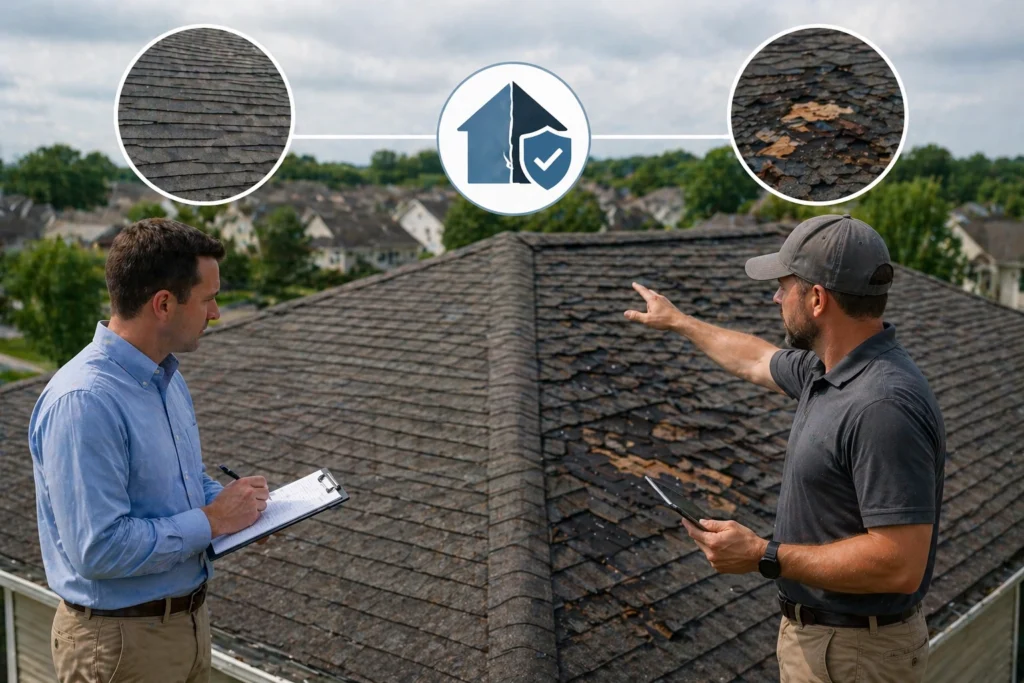
Public adjusters focus on completeness. They don’t just inspect they analyze.
Key Value Drivers
- Full scope expansion
- Code compliance inclusion
- Accurate pricing adjustments
- Strategic supplement submission
Real Example
| Item | Initial | Revised |
| Roof | Partial | Full |
| Underlayment | Missing | Included |
| Flashing | Missing | Added |
| Total | $13,500 | $27,200 |
That difference isn’t random. It’s built.
The Supplement Process: Where Claims Are Won or Lost
Most claims don’t end with the first estimate. That’s where supplements come in.
What Is a Supplement?
A supplement increases the claim amount based on additional findings.
Why It Matters
Initial estimates are often incomplete.
Strategic Insight
A strong approach to Hail Damage Claim Supplements: What Carriers Miss in Their Scope can significantly increase the final settlement by identifying overlooked components and properly documenting them.
Effective Supplement Strategy
- Document thoroughly
- Submit evidence
- Reference policy
- Time submissions correctly
Cost vs. Outcome: Is a Public Adjuster Worth It?
Let’s talk numbers.
Typical Fee
10% of final settlement
Comparison
| Scenario | Without PA | With PA |
| Settlement | $17,000 | $31,000 |
| Fee | $0 | $4,000 |
| Net | $17,000 | $27,000 |
Even after fees, the difference is clear.
When You Should Rely on an Insurance Adjuster Alone
Not every claim needs help.
Best Scenarios
- Minor damage
- Straightforward repairs
- Strong documentation
- Cooperative insurer
Simple claims can stay simple.
When You Should Hire a Public Adjuster
Most claims aren’t simple.
You Should Consider One If:
- Damage is extensive
- Claim is denied or underpaid
- Multiple repairs are involved
- You want a higher payout
In storm-prone areas like Corpus Christi, where damage can be layered and complex, professional representation often makes a measurable difference.
Common Mistakes Homeowners Make
Avoid these:
- Filing without documentation
- Accepting first offers
- Waiting too long
- Hiring the wrong contractor
- Ignoring policy details
These mistakes reduce claim value fast.
Public Adjuster vs. Contractor
They are not the same.
Contractor
- Repairs property
- Provides estimates
Public Adjuster
- Handles claims
- Negotiates settlement
They should work together not replace each other.
Key Questions to Ask
- Who do you represent?
- How detailed is your inspection?
- Do you handle supplements?
- What’s your fee?
- Can you show results?
Answers matter.
Legal Considerations in Texas
Texas regulates public adjusters strictly. This protects homeowners.
Key Concepts
Understanding terms like Pareto principle can even apply here often, a small portion of missed items accounts for a large portion of lost claim value.
Case Study: Real Outcome
Initial Estimate
$11,800
With Public Adjuster
- Expanded scope
- Added code upgrades
Final Settlement
$24,600
That’s not unusual.
Why Location Matters
Location changes everything. In Corpus Christi, coastal exposure, humidity, and storm patterns impact roofing differently. Materials wear faster. Damage behaves differently. Generic estimates miss that. Local expertise doesn’t.
Final Verdict
Choose Insurance Adjuster If:
- Claim is small
- Damage is simple
Choose Public Adjuster If:
- Claim is complex
- You want maximum payout
When comparing Public Adjuster vs. Insurance Adjuster for Hail Claims in Texas, the answer comes down to one thing. Representation.
Conclusion
The storm is unpredictable. Your claim outcome doesn’t have to be. The right representation can double your settlement or more. And in Corpus Christi, where storms are part of life, that decision matters more than most people realize. Make it count.
FAQs
A public adjuster represents the homeowner, while an insurance adjuster represents the insurance company.
No, insurance adjusters are paid by the insurance company and do not charge homeowners directly.
They typically charge a percentage of the final settlement, usually between 10%.
Yes, public adjusters often identify additional damage and negotiate higher settlements.
You should consider hiring one if your claim is large, complex, denied, or underpaid.
No, contractors can estimate repairs but typically cannot legally negotiate insurance claims.
A supplement is a request to increase your claim amount after additional damage is discovered.
Not always initial estimates are often incomplete, so reviewing them carefully is important.
Yes, public adjusters must be licensed and regulated by the state of Texas.
Yes, environmental factors in places like Corpus Christi can impact damage severity and repair costs.