

Hail damage claims can look clean, simple, and even reassuring at first glance. A check arrives. A scope is written. It feels like progress. But then reality hits. The numbers don’t stretch far enough. The contractor flags missing items. Costs climb. Suddenly, that original estimate feels incomplete and it is. That’s exactly where Hail Damage Claim Supplements: What Carriers Miss in Their Scope becomes critical. It’s not about arguing with the insurance company. It’s about aligning the estimate with the real cost of restoring your property.
I’ve seen it firsthand. The initial scope rarely tells the full story. Especially in storm-prone areas like Corpus Christi, where hail, wind, and coastal conditions combine to create complex damage patterns, missing items are not the exception they’re the rule. The good news? Those missed costs can be recovered. But only if you know where to look and how to present it. Let’s dig in.
What Is a Hail Damage Claim Supplement?
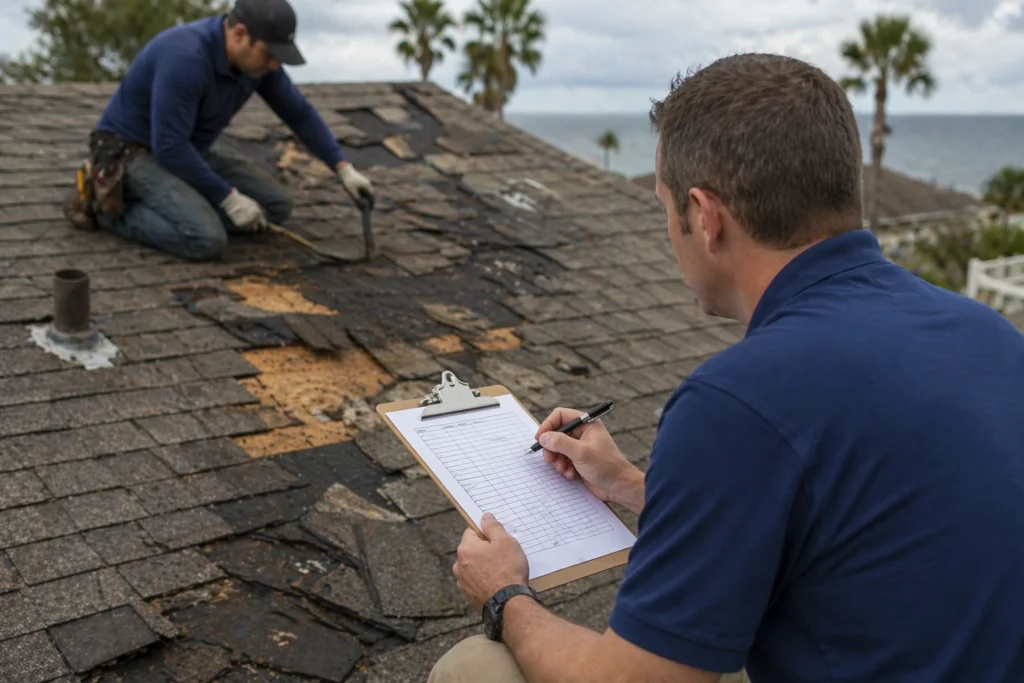
A supplement is a formal revision to your insurance claim. It adds what was missed, corrects what was underestimated, and updates what changed during the repair process.
Simple idea. Powerful impact. Insurance estimates are often built quickly after a storm. They’re meant to capture visible damage. But construction doesn’t happen on paper it happens on roofs, behind walls, and under layers. That’s where gaps appear.
When Supplements Are Necessary:
- Hidden damage appears after tear-off
- Essential components were left out
- Pricing doesn’t match real contractor costs
- Code requirements weren’t included
A supplement bridges the gap between “initial estimate” and “actual cost.” And in hail claims, that gap can be wide.
Why Initial Insurance Scopes Fall Short
Let’s be honest this isn’t always about mistakes. It’s about process, pressure, and priorities. After a hailstorm, carriers handle hundreds sometimes thousands of claims. Adjusters move quickly. Inspections are brief. Estimates are generated using templates and standard assumptions.
That creates blind spots.
Why Items Get Missed:
- Limited inspection time
- High claim volume
- Surface-level assessments
- Use of default pricing models
- Separation between field inspections and desk reviews
And then there’s cost control. Insurance companies aim to manage payouts. That’s part of their business model. But controlling costs often means writing conservative estimates upfront. The result? A scope that looks complete but isn’t.
Understanding Xactimate: The Engine Behind the Numbers
Xactimate is the industry’s estimating software. It’s widely used. Highly detailed. And incredibly influential. But here’s the catch it doesn’t think for you. Every line item must be selected, adjusted, and justified. If something isn’t entered, it doesn’t exist in the estimate. If it’s entered incorrectly, the price is wrong. That’s where expertise comes in.
What Xactimate Controls:
- Material pricing based on region
- Labor rates
- Waste factors
- Equipment costs
- Complexity adjustments
In Corpus Christi, regional pricing matters. Coastal logistics, labor availability, and environmental wear all influence costs. If those factors aren’t properly reflected, the estimate will fall short. A skilled professional doesn’t just use Xactimate they interpret it, adjust it, and refine it to match real-world conditions.
What a Complete Hail Damage Scope Looks Like
A strong estimate is not vague. It’s not general. It’s detailed and specific.
Here’s the difference:
| Feature | Weak Scope | Strong Scope |
| Detail | Broad descriptions | Line-by-line breakdown |
| Pricing | Generic averages | Region-specific |
| Coverage | Surface damage | Full system |
| Code Compliance | Missing | Included |
A complete scope accounts for every component needed to restore the property properly. Not just what’s visible but what’s required.
Most Commonly Missed Items in Hail Claims
This is where things get expensive. Not because the items are large but because there are so many of them.
Roofing System Components
- Underlayment
- Starter shingles
- Ridge caps
- Ice & water shield
- Drip edge
Miss one? The system is compromised.
Flashing and Metal Work
- Step flashing
- Valley metal
- Pipe jack flashing
- Counter flashing
These are essential for waterproofing. Skipping them leads to future issues.
Ventilation and Accessories
- Ridge vents
- Box vents
- Turbine vents
- Exhaust covers
Ventilation affects the lifespan of the entire roof system.
Exterior Damage
- Gutters and downspouts
- Siding panels
- Window screens
- Garage doors
Hail impacts more than shingles. It travels across surfaces.
Interior Damage
- Ceiling leaks
- Insulation damage
- Drywall repairs
- Paint blending
Interior damage often shows up later but it still belongs in the claim.
Code Upgrades: The Overlooked Multiplier

This is one of the biggest missed opportunities in claims. Building codes evolve. When repairs are made, the structure must meet current standards not the standards from when it was built. That costs money.
Common Code-Related Additions:
- Enhanced fastening patterns
- Secondary water barriers
- Improved ventilation systems
- Ice and water protection in vulnerable areas
If your policy includes ordinance or law coverage, these upgrades should be covered. But they’re often missing from initial scopes. In Corpus Christi, coastal building codes can increase costs even further. Ignoring them leads to underfunded repairs.
Hidden Costs That Add Up Quietly
Some costs don’t stand out but they matter.
Frequently Missed:
- Labor minimums
- Detach and reset (HVAC units, solar panels, satellite dishes)
- Debris removal
- Dump fees
- Permits and inspections
- Material delivery
Each one might seem small. Combined, they create a significant gap.
How Xactimate Expertise Changes the Outcome
This is where claims turn. Writing an estimate is one thing. Writing a complete, defensible, and accurate estimate is another.
What Skilled Professionals Do:
- Select precise line items
- Apply correct modifiers
- Adjust for roof pitch and accessibility
- Include waste calculations
- Align pricing with real contractor bids
It’s not about inflating numbers. It’s about reflecting reality. That’s the heart of Hail Damage Claim Supplements: What Carriers Miss in Their Scope—capturing what’s actually required to complete the job.
The Supplement Process: Step by Step
The process is structured, but execution matters.
Step 1: Re-Inspection
A deeper, more detailed look at the property.
Step 2: Documentation
Photos, measurements, notes. No assumptions.
Step 3: Estimate Creation
Built in Xactimate with full line-item detail.
Step 4: Submission
Sent to the carrier with supporting evidence.
Step 5: Negotiation
Back-and-forth communication to align scope.
Step 6: Approval
Updated estimate is accepted.
Step 7: Payment
Funds are released based on the revised scope. Each step builds on the last. Skip one, and the process weakens.
Documentation That Wins Supplements
Evidence wins. Every time.
Strong Documentation Includes:
- Clear, high-resolution photos
- Measurement reports
- Annotated diagrams
- Contractor estimates
- Material invoices
Consistency is key. Clarity is critical. Weak documentation leads to delays or denials.
Negotiation That Works
Negotiation isn’t about emotion. It’s about proof.
Best Practices:
- Stay factual
- Reference policy language
- Support every line item
- Keep communication professional
Avoid:
- Emotional arguments
- Incomplete submissions
- Verbal-only discussions
The goal isn’t to “win.” It’s to align the scope with the damage.
Real-World Example: Before and After

Let’s break it down.
Initial Estimate: $14,800
- Roof replacement (basic)
- Minimal flashing
- No code upgrades
Supplement Identified:
- Underlayment upgrade
- Full flashing system
- Vent replacements
- Code compliance items
- Debris and disposal
Supplement Amount: $9,600
Final Total: $24,400
Same property. Same storm. Different scope. That difference is what Hail Damage Claim Supplements: What Carriers Miss in Their Scope is all about.
How to Spot an Underpaid Claim
You don’t need to be an expert. Just look closely.
Red Flags:
- Missing categories
- Low pricing
- Lack of detail
- No code upgrades
- Minimal line items
If the estimate looks too simple, it probably is.
Public Adjuster vs Contractor
Both play important roles but they’re not interchangeable.
| Function | Contractor | Public Adjuster |
| Repairs | Yes | No |
| Estimate Writing | Yes | Yes |
| Negotiation | Limited | Full |
| Policy Knowledge | Basic | Advanced |
Contractors focus on the build. Public adjusters focus on the claim. Together, they can be powerful. Separately, each has limitations.
Mistakes That Cost Homeowners
These happen more often than you think.
Avoid These:
- Accepting the first estimate
- Starting repairs too soon
- Failing to document damage
- Hiring based on lowest bid
- Not reviewing the scope
Each mistake reduces your ability to recover full value.
Tips to Maximize Your Claim
Let’s keep this practical.
- Get a second opinion
- Document damage immediately
- Keep all receipts
- Request detailed estimates
- Understand your coverage
Simple steps. Real impact.
When Claims Get Denied or Underpaid
Not every claim moves smoothly. Some are denied. Others are approved but underfunded. If you find yourself in that position, understanding What to Do If Your Hail Claim Was Denied in Texas becomes essential. The same principles apply documentation, supplements, and strategic negotiation can often reopen or strengthen your claim. A denial isn’t always the end. Sometimes, it’s just the start of a more detailed review.
Why Local Expertise Matters
Location changes everything. In Corpus Christi, coastal exposure, humidity, and storm patterns affect materials differently. Roofing systems age faster. Repairs require specific approaches. Pricing varies.Generic estimates miss that. Local expertise captures it.
Advanced Insight: Timing Your Supplement Matters
Timing can influence success more than most people realize. Submit too early, and hidden damage hasn’t been discovered yet. Submit too late, and approvals slow down.
Best Timing Strategy:
- Review after initial estimate
- Reassess during tear-off
- Submit before full repair completion
This keeps the process efficient and accurate.
Advanced Insight: Matching Contractor Scope to Insurance Scope
Misalignment causes delays.
Fix It Fast:
- Compare scopes line by line
- Identify missing items
- Adjust quantities and pricing
- Ensure both reflect identical work
When both sides match, approvals move faster.
Advanced Insight: Understanding Depreciation
Insurance doesn’t always pay everything upfront.
How It Works:
- Initial payment = Actual Cash Value
- Final payment = Replacement Cost Value
- Depreciation is released after repairs
Understanding this prevents surprises and helps with planning.
A Note on Complexity in Claims
Insurance claims may seem straightforward, but they often involve layered calculations, evolving conditions, and variables that interact in subtle ways. In some cases, the process resembles a nonlinear system, where small changes in scope or documentation can lead to significantly different outcomes. That’s why precision matters. Every detail counts.
Conclusion
Here’s the truth. Most hail claims aren’t denied they’re incomplete. And incomplete claims lead to underfunded repairs, project delays, and out-of-pocket costs.
That’s why Hail Damage Claim Supplements: What Carriers Miss in Their Scope matters. It’s not about pushing harder. It’s about seeing clearer. Documenting better. Writing more accurately. When the scope reflects reality, the outcome changes. And in a place like Corpus Christi, where storms are part of life, getting that scope right isn’t optional it’s essential.
FAQs
A supplement is an update to your insurance estimate that includes missed or underpriced items needed to complete repairs properly.
High claim volume, limited inspections, and standardized pricing often lead to incomplete estimates.
Look for missing line items, low pricing, or vague descriptions in your estimate.
Yes, supplements can be submitted even after initial payment if additional damage or costs are identified.
Xactimate is used to create detailed, line-item estimates that reflect accurate repair costs.
They can extend the timeline slightly, but they ensure you receive the correct amount for repairs.
Clear photos, measurements, contractor estimates, and invoices help support your request.
If your claim is complex or underpaid, a public adjuster can help negotiate and maximize your payout.
Yes, if your policy includes ordinance or law coverage, code-required upgrades should be added.
In some cases, yes new evidence and proper documentation can reopen or strengthen a denied claim.