
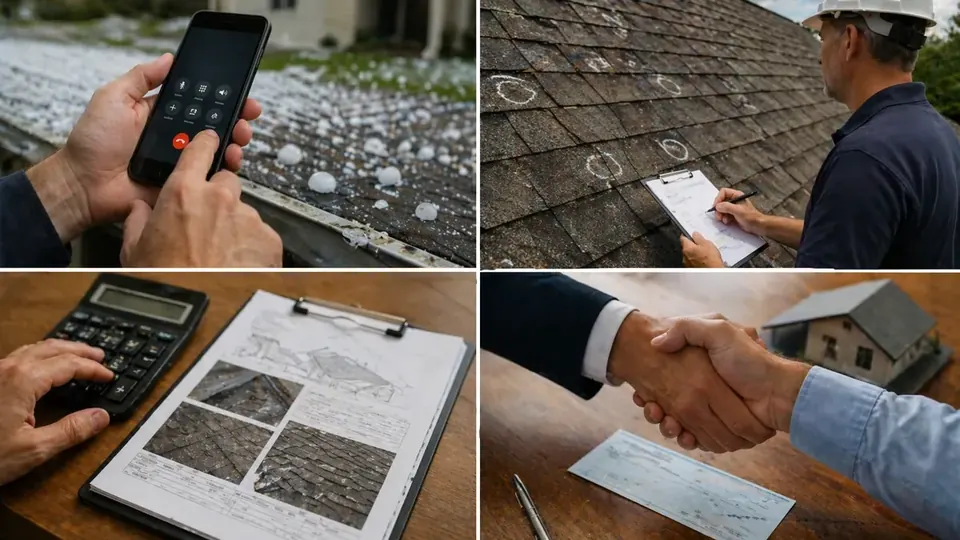
An insurance estimate review in Corpus Christi starts with a simple question: does the estimate describe the damage to your property and what it actually costs to repair it here? Insurer estimates are long, coded, and dense, and the summary page hides the details that matter. A missing roof slope, a low waste factor, or a depreciation rate that is too high can each move the payment by a meaningful amount. Corpus Christi Public Adjuster reviews estimates line by line, compares them with the property and the policy, and explains in plain English what we find.
What an Estimate Review Looks At
Most property insurers write estimates in Xactimate. We use the same software, which makes direct, item-by-item comparisons possible. A thorough review checks:
| Area | What we check | Common problems |
|---|---|---|
| Scope | Every room, roof slope, elevation, and structure that was damaged | Missing rooms, slopes, garages, fences, or contents |
| Quantities | Measurements, square footage, roof squares, and waste factors | Undercounted areas, low waste, missing ridge or hip lengths |
| Method | Repair versus replace decisions for each item | Spot repairs where materials cannot be repaired or matched |
| Components | Underlayment, flashing, drip edge, vents, trim, and code items | Accessories and code-required items left out |
| Pricing | Unit prices against the local market and the date of loss | Pricing that lags after a major storm |
| Depreciation | Rates, ages, and what is recoverable under the policy | Excessive depreciation or wrong age assumptions |
| Deductibles and payments | Which deductible applies and how prior payments are credited | Wrong deductible type, double-counted payments |
| Other coverages | Debris removal, additional living expense, business income, ordinance or law | Coverages never addressed |
Local Factors That Affect Corpus Christi Estimates
Some estimate problems are specific to the Coastal Bend:
- Windstorm certification. Corpus Christi and nearby communities are in the TDI catastrophe area, and roof repairs and re-roofs fall under the TDI Windstorm Inspection Program. Certification costs and code-required methods may not appear in a default estimate. Read more about WPI-8 windstorm certificates.
- Permits. The city requires a permit to re-roof, and its submission includes a TDI WPI-1 form. The City of Corpus Christi adopted the 2021 IRC and IBC with local amendments effective August 1, 2023. See our local building codes page.
- Percentage deductibles. Windstorm and named-storm deductibles are often a percentage of the dwelling limit. Use the hurricane deductible calculator to see the dollar amount.
- Coastal materials and wear. Salt-air corrosion and sun exposure can lead insurers to apply heavy depreciation or attribute damage to age. Photos and records help separate storm damage from wear.
- Multiple policies. After hurricanes, a homeowners, TWIA, and flood estimate may each cover different parts of the same house. Reviewing them together helps catch gaps and overlaps.
How the Review Works
- Collect the documents. We start with the full estimate, payment letters, the declarations page, and your photos.
- Read the policy. We note replacement cost or actual cash value terms, deductibles, exclusions, and endorsements that affect the estimate.
- Inspect the property. We document the damage with photos, measurements, drone images where useful, and Matterport 3D scans on larger losses.
- Compare line by line. We mark each missing, short, or mispriced item and note why.
- Explain the findings. You get a plain-English summary of the differences and what may be worth pursuing.
- Decide next steps together. That may be a supplement, a reinspection, appraisal, or accepting the estimate if it is reasonable.
Sometimes the review shows that the insurer's estimate is close to the actual cost. When that is the case, we will say so.
Reviewing Engineer and Inspector Reports
On larger or disputed claims, the insurer may rely on a report from an engineer, a roof inspector, or another consultant. These reports often drive the estimate: if the report concludes that only one slope shows storm damage, the estimate will usually reflect one slope. That makes the report as important as the estimate itself.
When we review a consultant report, we look at what the inspector actually examined, how many test squares or sample areas were checked, what weather data was considered for the date of loss, and whether the photos support the conclusions. NOAA storm records, including the Storm Events Database, can show reported hail and wind near the property on the date in question. We also compare the report's observations with what we document on our own inspection. When the findings differ, we explain the differences in writing and with photos, so the insurer has a specific basis to reconsider. Ask your insurer in writing for a copy of any report it used, so you can see the basis for its position.
Reading Your Estimate Yourself
If you want to look before calling anyone, a few checks go a long way:
- Compare the rooms and roof slopes listed in the estimate with the damage you see.
- Look for the roof's total squares and the waste percentage, and compare them with a roofer's measurement.
- Check whether depreciation is marked as recoverable and note the deadline in your policy to claim it.
- Confirm the deductible amount and type on the estimate against your declarations page.
- Look for items like debris removal, permits, and contents.
Our article on how to review an underpaid roof insurance estimate walks through a roof estimate in detail, and the claim calculator shows how depreciation and deductibles change the net payment.
What Happens After the Review
When the review finds missing or underpriced items, the usual next step is a supplement with line items, photos, and explanations. See insurance claim supplements. If the insurer reviews the supplement and the disagreement is still about amount rather than coverage, the policy's appraisal clause, or TWIA's statutory appraisal process for windstorm claims, may be an option. Our insurance appraisal page explains both. If the estimate is low because part of the claim was denied, see underpaid insurance claims and our denied claims resources.
Every Corpus Christi Public Adjuster engagement starts with an honest conversation about what the review shows. We cannot promise a higher payment, and results depend on the policy and the facts. Fees are disclosed in a written contract before any work begins; Texas law caps public adjuster compensation at 10% of the insurance settlement. The Texas Department of Insurance also publishes consumer information on property claims. To have your estimate reviewed, request a Free Claim Review.
Frequently Asked Questions
What is an insurance estimate review?
It is a line-by-line comparison of the insurer's estimate with the actual damage, your policy, and local repair costs. The goal is to identify missing scope, quantity errors, pricing problems, and depreciation or deductible issues before you accept the number as final.
What do I need for a review?
The full estimate (every page, not just the summary), any payment letters, your policy declarations page, photos of the damage, and any contractor bids you have. If the insurer used an engineer or inspector, a copy of that report helps too.
How do I get the full estimate from my insurer?
Ask your adjuster in writing for the complete line-item estimate and any photo report. Most insurers provide it on request. Keep a copy of your request and the date.
Is the estimate review free?
The Free Claim Review has no cost and no obligation. If you decide to hire us to handle the claim, fees are disclosed in a written contract before any work begins; Texas law caps public adjuster compensation at 10% of the insurance settlement.
What happens if the review finds problems?
We explain what we found and the options, which may include a supplement, a reinspection request, or, if coverage is agreed and only the amount is disputed, appraisal. You decide what to do next.
Can a review tell me whether something is covered?
We can explain how the policy language appears to apply and where coverage questions exist. We cannot give legal advice. For a formal coverage opinion or a lawsuit, consult a Texas attorney.