
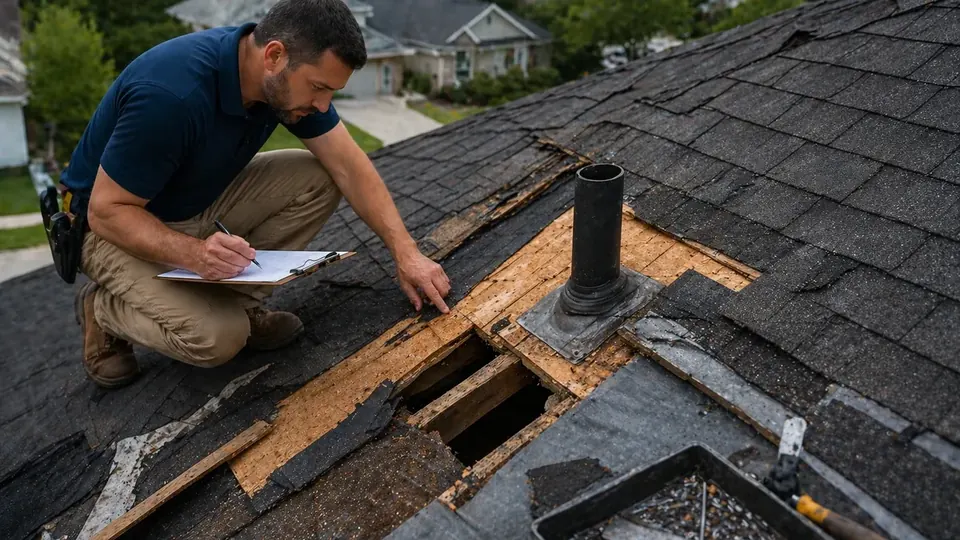
A denied insurance claim in Corpus Christi can feel final, especially after weeks of waiting for an answer. In practice, denials are based on specific reasons: a policy exclusion, a finding about the cause of damage, a question about timing, or missing information. Some of those reasons hold up. Others rest on an incomplete inspection or a misreading of the facts. As a Corpus Christi Public Adjuster, we review the denial letter, the policy, and the property to help you understand whether the denial is supported and what options may remain.
Common Reasons Claims Are Denied
Denial letters usually cite one or more policy provisions. The table below lists reasons we often see on Coastal Bend claims and the kind of evidence that may respond to each. Every claim is different, and some denials are correct under the policy.
| Stated reason | What it usually means | Evidence that may help |
|---|---|---|
| Wear and tear or deterioration | The insurer believes the damage developed over time rather than from a sudden event | Roof age records, prior inspections, close-up photos showing fresh fractures or impact marks |
| Damage predates the policy or the storm | The insurer believes the loss happened before coverage began or before the reported date | Dated photos, purchase inspection reports, NOAA storm records for the date of loss |
| Excluded peril (flood, surge, earth movement) | The insurer attributes the damage to a cause the policy excludes | Water lines, debris patterns, roof openings above interior damage, tide data |
| Below the deductible | The insurer's estimate is lower than your deductible | A detailed line-item estimate showing the full scope and local pricing |
| Late notice | The insurer says the loss was reported too late to investigate | Timeline of when damage was discovered and reported |
| Cosmetic damage only | The insurer says hail marks do not affect function (on policies with cosmetic exclusions) | Policy endorsements, evidence of fractures, punctures, or water entry |
| Failure to mitigate | The insurer says damage worsened because protective steps were not taken | Receipts and photos of tarping, drying, or other temporary repairs |
For hail-specific denials, our article on what to do when a hail claim was denied in Texas goes into more detail.
Wind Versus Water Denials on the Coast
Corpus Christi and the surrounding barrier islands face a dispute that inland cities rarely do: whether hurricane damage was caused by wind or by storm surge. Many coastal homeowners carry a homeowners policy that excludes wind and hail, a TWIA windstorm policy, and a separate flood policy. The Texas Windstorm Insurance Association covers wind and hail losses only, and homeowners policies generally exclude flood. When each insurer attributes the damage to the other peril, owners can be left with a denial from one and a partial payment from the other.
Evidence matters here. Photos of roof and window openings above interior water damage, the height of water lines, debris lines, and weather and tide records for the date of loss can help show which force caused which damage. Our article on wind vs. storm surge damage claims explains how these disputes typically develop, and the hurricane damage claims page covers the broader process.
Partial Denials Deserve the Same Attention
Not every denial arrives as a single letter rejecting the whole claim. Often the insurer accepts part of the loss and denies the rest: it pays for a few roof slopes but denies interior water damage, or covers the fence but excludes the detached garage. Because a partial denial comes with a check, it is easy to overlook. Read each payment letter for the items or areas the insurer has declined, and treat those items as a denial that may need a response. A Corpus Christi Public Adjuster can map each denied item to the policy language cited and the evidence available, so you can see which parts of the claim are worth pursuing.
Steps to Take After a Denial
- Get the denial in writing. Note the date you received it. Several deadlines can run from that date.
- Request the file. Ask for the policy provisions cited and copies of any engineer, inspector, or adjuster reports the insurer relied on.
- Read your full policy, including endorsements and the declarations page. Exclusions are often modified by endorsements.
- Gather independent evidence. That may include a detailed inspection, contractor findings, and NOAA weather records. Our storm lookup tool can help you find reported events near your property.
- Respond in writing. If you disagree, send a written request for reconsideration with your supporting evidence, and keep proof of delivery.
- Track deadlines. Policy deadlines, TWIA statutory deadlines, and deadlines to sue can all apply. Consult a Texas attorney about any deadline to file suit.
TWIA Denials Follow a Separate Process
If TWIA denied all or part of your windstorm claim, Texas Insurance Code Chapter 2210, Subchapter L-1, sets out the dispute process. Under the statute:
- A claimant who wants to contest a denial must notify TWIA of the intent to sue before the limitations period runs out. Missing this notice waives the right to contest the denial.
- TWIA may require mediation or a moderated settlement conference and must request it within 60 days of receiving the notice. That process must be completed within 60 days of the request unless extended.
- Suit must be filed no later than two years after the claimant receives the partial or full denial notice. This is a statute of repose.
- The general Chapter 542A pre-suit notice does not apply to actions against TWIA.
These rules are strict, and public adjusters cannot give legal advice. If your TWIA claim was denied, talk with a Texas attorney about the deadlines early. Our TWIA windstorm claims page and the claim deadline calculator can help you see the general timeline.
How a Public Adjuster Can Help With a Denied Claim
We start by reading the denial and the policy side by side, so you know what the insurer is relying on. Then we inspect the property, document the damage with photos, measurements, and where helpful drone imagery or Matterport 3D scans, and compare what we find with the insurer's reports. If the evidence supports a different conclusion, we prepare a written response and a line-item Xactimate estimate and present them to the insurer.
Sometimes the honest answer is that the denial is consistent with the policy. When that happens, we tell you. When a dispute calls for a lawyer, such as a coverage lawsuit or a bad-faith question, we recommend you consult a Texas attorney. Fees are disclosed in a written contract before any work begins; Texas law caps public adjuster compensation at 10% of the insurance settlement.
If the insurer accepted part of the claim and paid too little, see underpaid insurance claims. To have your denial reviewed, request a Free Claim Review.
Frequently Asked Questions
Can a denied insurance claim be reopened?
Sometimes. If you have new evidence, such as an independent inspection, weather data, or damage found during repairs, many insurers will reconsider. Ask the insurer in writing how to request reconsideration, and keep copies of everything you send.
What should I ask for after a denial?
Ask for the denial in writing if you do not have it, the specific policy language relied on, and copies of any engineer, inspector, or adjuster reports the insurer used. Those documents show exactly what you would need to address.
What if TWIA denied my windstorm claim?
TWIA claims follow a separate statutory process. To contest a denial, the claimant must give TWIA notice of intent to sue before the limitations period expires, TWIA may require mediation or a moderated settlement conference, and suit must be filed no later than two years after receiving the denial notice. Consult a Texas attorney about these deadlines.
Can a public adjuster sue my insurance company?
No. Public adjusters are not attorneys and cannot file lawsuits or give legal advice. We can help with the claim itself: inspection, documentation, estimating, and communication with the insurer. If litigation is being considered, consult a Texas attorney.
Should I file a complaint with the Texas Department of Insurance?
You can. TDI accepts consumer complaints about insurers. A complaint does not decide the claim, but it creates a record and asks the insurer to respond. TDI also runs an ombudsman program that helps TWIA policyholders with the claims process.
Is appraisal an option after a denial?
Appraisal generally resolves disagreements about the amount of loss, not whether the loss is covered. If the insurer denied coverage entirely, appraisal is usually not the right tool. If it accepted part of the claim and disputes the amount, appraisal may be worth discussing.