
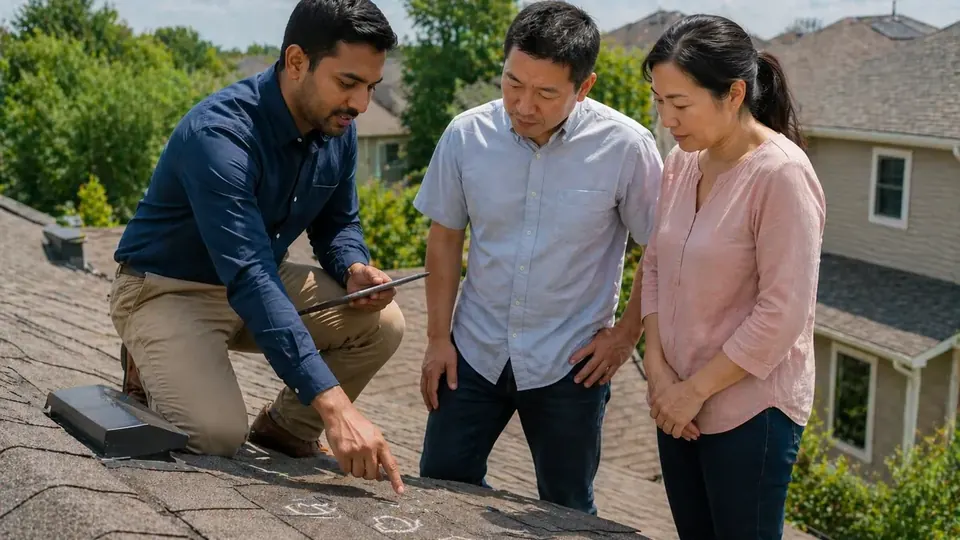
If you need TWIA claim help in Corpus Christi, the first thing to know is that a Texas Windstorm Insurance Association claim does not follow the same rules as an ordinary homeowners claim. TWIA claims are governed by Texas Insurance Code Chapter 2210, Subchapter L-1, which sets specific deadlines for filing, for TWIA's decision, for payment, and for disputes. Missing one of those deadlines can affect your rights. This page walks through how a TWIA claim works for property owners in Corpus Christi, Nueces County, and the surrounding Coastal Bend, and how a licensed public adjuster may help.
Who Has TWIA Coverage on the Coastal Bend
TWIA was created by the Texas Legislature in 1971 as the wind and hail insurer for the Texas coast. Its designated catastrophe area includes 14 first-tier coastal counties, among them Nueces, San Patricio, Aransas, and Kleberg (TWIA overview). Many private insurers exclude wind and hail for properties in these counties, so homes and businesses from Calallen and Flour Bluff to Portland, Rockport, Port Aransas, and Kingsville often carry a TWIA policy alongside a homeowners policy and a flood policy.
TWIA policies cover wind and hail only. They do not cover flood or storm surge. That split is the source of many disputes after a hurricane; see our hurricane damage claims page and the wind vs. storm surge guide.
TWIA Claim Deadlines Under Chapter 2210, Subchapter L-1
The table below summarizes the main deadlines in the statute (Texas Insurance Code Chapter 2210). It is a plain-English summary, not legal advice. Deadlines can be extended in some situations, and the exact start date for each clock matters. For questions about how a deadline applies to your claim, or about filing suit, consult a Texas attorney.
| Step | Deadline | Section |
|---|---|---|
| File the claim with TWIA | No later than one year after the date the damage occurs; the Commissioner may extend by up to 180 days for good cause | §2210.573(a), §2210.205 |
| TWIA asks for missing information | Within 30 days after the claim is filed | §2210.573(b) |
| TWIA accepts, partly accepts, or denies | Written notice within 60 days after receiving the claim or the requested information, whichever is later (the Commissioner may extend) | §2210.573(d), §2210.581 |
| TWIA pays the accepted amount | Within 10 days after the acceptance notice (or after a required act by the claimant) | §2210.5731 |
| Demand appraisal over the amount | Within 60 days after receiving the acceptance or partial-acceptance notice; 30 more days possible on a written, good-cause request made within 15 days after the 60 days end | §2210.574 |
| Contest a denial: notice of intent to sue | Before the limitations period expires; TWIA may request mediation or a moderated settlement conference within 60 days of the notice, to be completed within 60 days of the request | §2210.575 |
| File suit over a denial | No later than two years after receiving the partial or full denial notice (a statute of repose) | §2210.577 |
Two more points are worth knowing. First, the general Chapter 542A pre-suit notice process does not apply to actions against TWIA (§542A.002(b)); TWIA disputes follow Subchapter L-1 instead. Second, the Texas Department of Insurance runs an ombudsman program to help TWIA policyholders with the claims process (§2210.582). Our claim deadline calculator can help you keep track of dates, but it does not replace reading your notices carefully.
Documenting a TWIA Wind or Hail Claim
Because TWIA covers wind and hail and nothing else, the documentation has to show that wind or hail caused the damage. That is straightforward for a roof with missing shingles after a hailstorm. It gets harder when the same structure also took surge, when damage could be blamed on age or wear, or when interior water damage might have come from rain through a wind-created opening or from rising water.
A well-supported TWIA claim usually includes:
- Date-stamped photos and video of the roof, exterior, and interior before cleanup.
- Evidence of the storm, such as NWS and NOAA records; our storm lookup tool is a starting point.
- A roof inspection showing wind creasing, lifted tabs, missing materials, or hail impacts.
- A detailed, line-item repair estimate covering roofing, exterior, and interior work.
- Your policy, declarations page, and any windstorm certificates for the property.
- Receipts for tarping, board-up, and water removal.
See the full claim documentation checklist for more.
Windstorm Certificates and Repairs
Structures built, altered, remodeled, enlarged, or repaired on or after January 1, 1988 generally need a certificate of compliance to be eligible for TWIA coverage. The TDI Windstorm Inspection Program covers re-roofs and roof repairs in the catastrophe area, and inspections are done by appointed Texas-licensed engineers or TDI inspectors (TDI windstorm program). In Corpus Christi, a re-roofing permit application includes a completed TDI WPI-1 form. Building repairs into the claim with certification in mind can help avoid problems with future coverage. Our WPI-8 guide covers the details.
What to Do in the First Days After Wind or Hail Damage
- Report the claim to TWIA as soon as you can, and write down the claim number and the date you filed.
- Document before cleanup. Photograph the roof, every side of the building, and each damaged room.
- Make temporary repairs such as tarping or boarding up to prevent more damage, and keep the receipts.
- Report other policies too. If surge or rising water also reached the property, notify your flood insurer separately.
- Read every letter from TWIA and note the date you received it, because several deadlines run from the date of a notice.
- Keep a claim log of calls, emails, inspections, and payments.
If TWIA has already paid and the amount looks low, an insurance estimate review can compare TWIA's scope against the actual damage before the appraisal window closes. Our insurance appraisal page explains how appraisal generally works.
Common Disputes on TWIA Claims
- Wind vs. water. TWIA may attribute damage to flood or surge, which its policy does not cover.
- Wear and tear. Granule loss, aging shingles, or corrosion from salt air may be blamed instead of the storm.
- Scope and pricing. The estimate may leave out items, allow repairs where replacement is needed, or use pricing that does not match the local market.
- Deductibles. Wind/hail deductibles are often a percentage of the dwelling limit; check your declarations page and see our deductible guide.
TWIA Claim Help From a Corpus Christi Public Adjuster
A Corpus Christi Public Adjuster represents the policyholder only. On a TWIA claim, that may mean reviewing the policy and certificates, inspecting the property, preparing a detailed estimate, assembling weather evidence, responding to TWIA's information requests on time, and tracking each statutory deadline. If TWIA accepts the claim but you disagree with the amount, we can help you evaluate whether appraisal makes sense within the 60-day window. If TWIA denies coverage, we will tell you plainly that the next steps are legal ones and that you should consult a Texas attorney.
No one can promise how TWIA will decide a claim. Fees are disclosed in a written contract before any work begins; Texas law caps public adjuster compensation at 10% of the insurance settlement.
Frequently Asked Questions
What does TWIA cover?
TWIA policies cover wind and hail losses only. TWIA is not flood insurance, so storm surge and rising water are not covered by a TWIA policy. Flood coverage comes from an NFIP or private flood policy.
How long do I have to file a TWIA claim?
Texas Insurance Code §2210.573 requires a TWIA claim to be filed no later than one year after the date the damage occurs. The Commissioner of Insurance may extend that by up to 180 days for good cause shown by the insured. Report damage as soon as you can.
What can I do if I disagree with the amount TWIA offered?
If TWIA accepts the claim in full or in part and you dispute the amount, you may demand appraisal within 60 days after receiving the acceptance notice (§2210.574). TWIA may grant 30 more days if you ask in writing, with good cause, within 15 days after the 60-day period ends. Appraisal costs are split equally between you and TWIA.
What if TWIA denies my claim?
For a denied claim or a denied portion of a claim, the statute requires notice of intent to sue before the limitations period expires, may involve mediation or a moderated settlement conference, and sets a two-year deadline to sue after the denial notice. These are legal steps. Consult a Texas attorney about a TWIA denial.
Do I need a windstorm certificate to file a TWIA claim?
A certificate of compliance (such as a WPI-8) relates to eligibility for TWIA coverage, generally for work done on or after January 1, 1988. Repairs made after a claim may also need TDI windstorm inspection to keep the property eligible. Read more in our WPI-8 windstorm certificate guide.
Can a public adjuster work on a TWIA claim?
Yes. A licensed Texas public adjuster can help a TWIA policyholder document the loss, prepare an estimate, and communicate with TWIA. A public adjuster is not an attorney and cannot give legal advice or file suit.